Types of Fabric for Clothes: A Complete Guide
At Kidzknothttps://kidzknot.com/, we believe that knowing about fabrics makes clothing shopping easier. Every fabric has its own texture, weight, appearance, and care requirements. Some fabrics are lightweight and breathable, while others are warm, durable, or elegant.
In this guide, we will explore popular clothing fabric types and explain where they are commonly used.
Why Is Fabric Important in Clothing?
Fabric affects the comfort, appearance, durability, and overall feel of a garment. The same clothing design can look completely different when made from different fabrics.
For example, lightweight cotton can be comfortable for warm weather, while wool is commonly used for colder temperatures. Silk can create an elegant look, while denim is known for its durability and casual style.
Choosing the right fabric depends on the season, occasion, design, comfort, and care requirements.
1. Cotton
Cotton is one of the most widely used natural fibers in clothing. It is valued for its soft feel, breath ability, and versatility.
Cotton can be used for both casual and everyday clothing and is available in many different weights and finishes.
Common uses of cotton include:
- T-shirts
- Shirts
- Dresses
- Casual trousers
- Children’s clothing
- Sleepwear
Cotton can also be blended with other fibers to create fabrics with different characteristics.
2. Linen
Linen is a natural fabric made from the fibers of the flax plant. It is lightweight, breathable, and especially popular for warm-weather clothing.
Linen has a naturally relaxed appearance and is known for developing wrinkles during wear, which is part of its characteristic look.
Linen is commonly used for:
- Summer dresses
- Shirts
- Trousers
- Lightweight suits
- Casual tops
If you prefer a relaxed and natural style, linen can be a good fabric choice for warm weather.
3. Silk
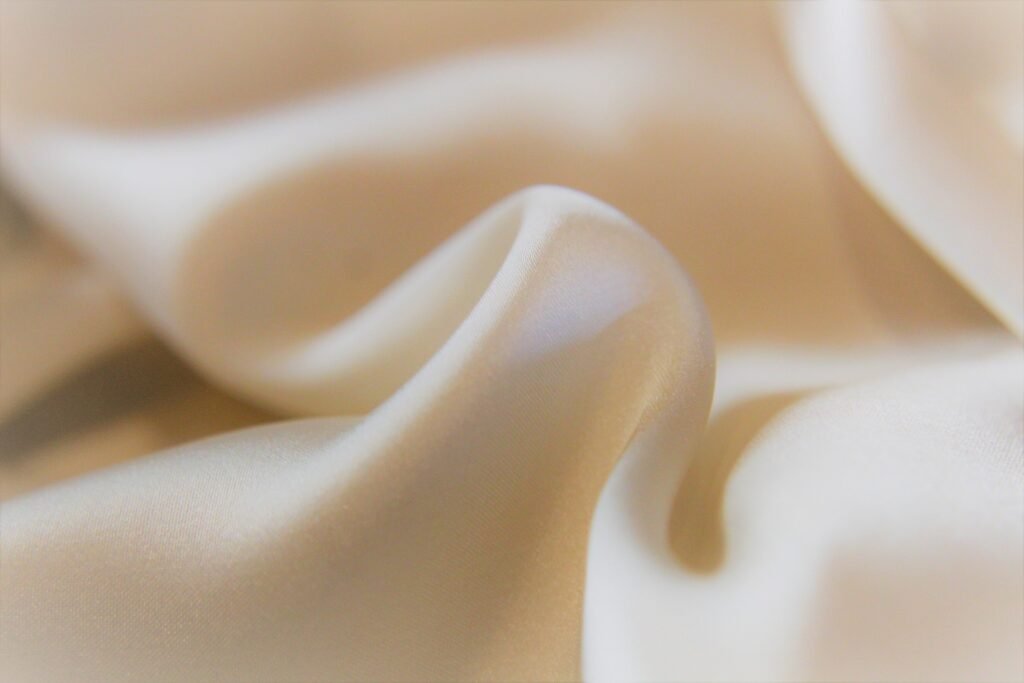
Silk is a natural fiber known for its smooth texture, soft feel, and elegant appearance. It has a beautiful drape, which makes it popular for special-occasion clothing.
Silk is commonly used for:
- Formal dresses
- Blouses
- Scarves
- Evening wear
- Traditional clothing
Silk can be delicate, so it is important to follow the care instructions provided with the garment.
4. Polyester
Polyester is a synthetic fiber widely used in modern clothing. It is known for its durability and resistance to shrinking and wrinkling.
Polyester is also frequently blended with other fibers to create fabrics with different qualities.
Polyester is commonly used for:
- Dresses
- Sportswear
- Jackets
- Shirts
- Everyday clothing
The feel and appearance of polyester can vary depending on how the fabric is manufactured.
5. Denim
Denim is a strong cotton-based fabric that is most commonly associated with jeans. It is durable and widely used for casual clothing.
Although jeans are the most familiar example, denim can also be used for jackets, skirts, shorts, and dresses.
Popular denim clothing includes:
- Jeans
- Denim jackets
- Denim skirts
- Denim shorts
- Casual dresses
Denim is a practical choice when durability and a casual appearance are important.
6. Chiffon
Chiffon is a lightweight fabric with a soft, flowing appearance. It is commonly used in elegant and occasion wear.
Chiffon can be produced from different fibers, including silk and synthetic fibers, so its characteristics can vary.
Chiffon is commonly used for:
- Formal dresses
- Dupattas
- Scarves
- Party wear
- Layered outfits
Because chiffon can be lightweight and semi-transparent, it is often used with lining or as an outer layer.
7. Lawn
Lawn is a lightweight, fine fabric that is especially popular in South Asian clothing. Cotton lawn is widely used for warm-weather outfits because of its lightweight feel.
Lawn is commonly used for:
- Summer suits
- Casual dresses
- Printed shirts
- Traditional outfits
- Lightweight everyday clothing
When buying lawn clothing, checking the fabric composition and quality can help you understand how the garment may feel and perform.
8. Khaddar
Khaddar, also known as khaki in some contexts, refers to a traditionally woven textile. Its composition can vary, and it may be made from fibers such as cotton or wool depending on the fabric.
Khaddar is often associated with a textured appearance and is widely used in South Asian clothing, particularly for cooler weather.
Khaddar is commonly used for:
- Winter suits
- Shirts
- Traditional clothing
- Casual outfits
- Warm everyday wear
Its texture and weight can vary, so it is useful to check the specific fabric before purchasing.
9. Wool
Wool is a natural animal fiber obtained mainly from sheep and other animals. It is well known for its warmth and is commonly used in cold-weather clothing.
Different types of wool can vary considerably in softness, weight, and texture.
Wool is commonly used for:
- Sweaters
- Coats
- Winter clothing
- Scarves
- Warm accessories
Wool can be an excellent choice when warmth is a priority.
10. Viscose
Viscose is a regenerated cellulose fiber made from cellulose that is processed into a usable textile fiber. It is often valued for its soft feel and flowing appearance.
It is commonly used for clothing that needs a comfortable feel and attractive drape.
Viscose is often used for:
- Dresses
- Tops
- Skirts
- Blouses
- Casual clothing
Always follow the garment’s care instructions because different viscose fabrics can have different care requirements.
11. Cambric
Cambric is a lightweight, closely woven fabric that is commonly made from cotton. It is often used for comfortable everyday and traditional clothing.
Cambric is commonly used for:
- Shirts
- Trousers
- Children’s clothing
- Casual outfits
Its lightweight construction makes it a popular choice for clothing in different seasons, depending on its weight.
12. Velvet
Velvet is a soft fabric with a distinctive raised surface and a rich appearance. It is often associated with formal and festive clothing.
Velvet is commonly used for:
- Party dresses
- Formal suits
- Jackets
- Traditional outfits
- Winter clothing
Velvet can add a luxurious appearance to an outfit, especially for special occasions.
13. Organza
Organza is a lightweight, sheer fabric with a crisp structure. It is commonly used when a garment needs shape, volume, or a decorative finish.
Organza is commonly used for:
- Formal dresses
- Dupattas
- Sleeves
- Skirts
- Decorative layers
It is often combined with other fabrics to create an elegant layered effect.
Natural vs. Synthetic Fabrics
One simple way to understand clothing fabric types is to divide them into natural fibers and manufactured fibers.
Natural fibers come from natural sources. Cotton, linen, silk, and wool are common examples.
Synthetic fibers are manufactured through chemical processes. Polyester is one of the most widely used examples.
There are also regenerated fibers, such as viscose, which are made by processing cellulose into textile fibers.
Each category has different characteristics, so the best choice depends on how and where you plan to wear the clothing.
How to Choose the Best Fabric for Clothes
Choosing the right fabric does not have to be difficult. Consider these simple points before buying clothing.
1. Consider the Weather
Think about the temperature and season. Lightweight fabrics can be useful for warm weather, while heavier fabrics are generally more suitable for colder conditions.
2. Think About the Occasion
Every fabric has a different appearance. Cotton and denim can work well for casual clothing, while silk, chiffon, velvet, and organza can be suitable for more formal or festive styles.
3. Check Comfort
Consider how the fabric feels against your skin. Softness, weight, texture, breath ability, and stretch can all affect comfort.
4. Consider Durability
If you plan to wear a garment frequently, consider how well the fabric is suited to regular use and washing.
5. Check the Care Instructions
Some fabrics require more careful washing and drying than others. Always read the garment’s care label before purchasing or washing it.
Which Fabric Is Best for Clothes?
There is no single fabric that is best for every type of clothing.
Cotton can be a versatile choice for everyday wear, linen is popular for warm-weather clothing, wool is useful for warmth, denim is known for durability, and silk can create an elegant appearance.
The best fabric depends on the season, occasion, comfort, style, durability, and care requirements of the garment.
Final Thoughts
Understanding the different types of fabric for clothes can make shopping easier and help you choose clothing that suits your needs.
Cotton, linen, silk, polyester, denim, chiffon, lawn, khaddar, wool, viscose, cambric, velvet, and organza all have different characteristics and uses.
Instead of choosing a fabric only because it looks attractive, consider how it feels, where you will wear it, what season it is for, and how much care it requires.
A little fabric knowledge can help you make more informed clothing choices and build a wardrobe that combines comfort, style, and practicality.
For more clothing and fashion ideas, explore Kidzknot and discover simple ways to make better choices for your wardrobe.